
Tattoos are increasingly popular, but could tattoo ink affect your long-term health? Recent studies have investigated possible links between tattoos, lymphoma, and skin cancer. Here’s what scientists have discovered and what you should know before getting a tattoo.
Tattoos have become a common form of personal expression worldwide. While most people think about their design, placement, and appearance, researchers are increasingly examining another important question: Can tattoos increase the risk of cancer?
Recent scientific studies have investigated whether tattoo pigments and certain chemicals in tattoo ink could contribute to lymphoma, melanoma, or other types of cancer.
Some studies have reported possible associations, particularly with lymphoma, a cancer affecting the lymphatic system. However, other research has found no significant increase in cancer risk.
The available evidence remains uncertain. Although tattoo pigments can accumulate in lymph nodes and some inks contain potentially harmful chemicals, scientists have not established that tattoos cause cancer.
Understanding these findings can help people make informed decisions without unnecessary fear.
Can Tattoos Cause Cancer?
There is currently no conclusive scientific evidence that getting a tattoo directly causes cancer.
Researchers have identified several reasons to investigate the possible relationship between tattoos and cancer:
- Some tattoo inks contain substances with potentially harmful properties.
- Tattoo pigment particles can travel from the skin to nearby lymph nodes.
- Tattooing causes an immune response, and some individuals develop persistent inflammation.
- Certain observational studies have reported higher cancer rates among tattooed participants.
However, these findings do not establish a cause-and-effect relationship.
A person with a tattoo may develop cancer for reasons unrelated to tattooing. Factors such as age, genetics, ultraviolet (UV) exposure, smoking, and other environmental exposures can influence cancer risk.
It is also important to distinguish relative risk from absolute risk. For example, a study reporting a 20% higher relative risk does not mean that 20% of tattooed people will develop cancer.
The actual likelihood depends on how common the disease is and the characteristics of the population studied.
What Does the Latest Research Say About Tattoos and Cancer?
Research published between 2024 and 2026 has provided new information about the possible relationship between tattoo exposure and cancer.
2024 Swedish study: Tattoos and lymphoma
A population-based Swedish study published in eClinicalMedicine examined whether tattoos were associated with malignant lymphoma.
Researchers identified 1,398 people with lymphoma and 4,193 comparison participants.
The study reported an estimated 21% higher relative risk of lymphoma among people with tattoos.
However, the main estimate was statistically uncertain, and researchers did not identify a consistent relationship between the size of tattoos and lymphoma risk.
The study raised important questions but did not establish that tattooing causes lymphoma.
2025 Danish twin study: Tattoo size and cancer risk
A Danish study examined tattoo exposure and cancer outcomes using information from twins.
Researchers reported possible associations between tattoos and certain skin cancers and lymphomas.
Some stronger associations appeared among participants with tattoos larger than the palm of a hand.
For example, the researchers reported an estimated lymphoma hazard ratio of 2.73 in an analysis involving larger tattoos.
However, these findings came from observational data with relatively small numbers of cancer cases in some comparisons.
They should not be interpreted as proof that larger tattoos cause cancer.
2026 systematic review: What does the combined evidence show?
A systematic review and meta-analysis published in Clinical and Translational Oncology examined seven observational studies involving 140,841 participants.
The researchers found:
| Cancer outcome | Main finding |
|---|---|
| Overall skin cancer | No statistically significant association |
| Overall blood and lymphatic cancers | No statistically significant association in the primary analysis |
| Non-Hodgkin lymphoma | No statistically significant association |
| Hodgkin lymphoma | No statistically significant association |
| Sensitivity analysis | A possible association with blood and lymphatic cancers emerged after excluding one influential study |
The review concluded that the current evidence does not establish a causal relationship between tattoos and cancer.
Importantly, the researchers also identified limitations in the existing studies, including potential confounding and uncertainty about tattoo exposure.
What this means: Research has raised questions worth investigating, but current evidence does not justify claiming that tattoos cause lymphoma or skin cancer.
Can Tattoos Increase the Risk of Lymphoma?
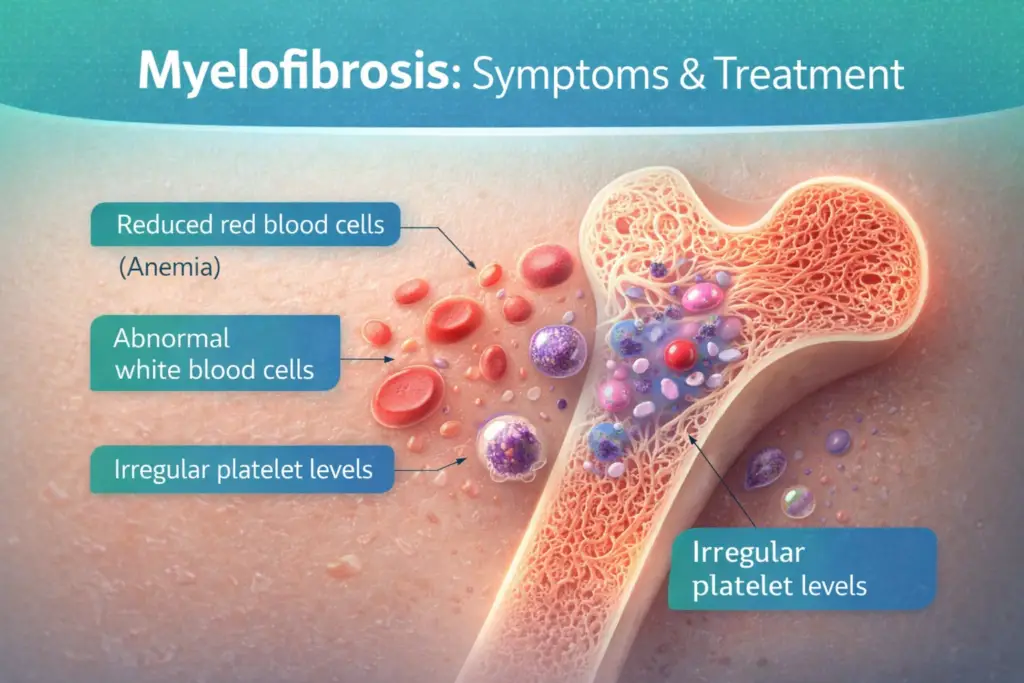
Lymphoma is a type of cancer that develops in lymphocytes, white blood cells that help the immune system fight infections.
There are two main categories:
- Hodgkin lymphoma
- Non-Hodgkin lymphoma
Researchers are investigating a possible relationship between tattoos and lymphoma because tattoo pigments can move through the lymphatic system and accumulate in lymph nodes.
How can tattoo ink reach lymph nodes?
When a tattoo is applied, needles deposit pigment into the dermis, a deeper layer of the skin.
Some pigment remains in the skin, while small particles can be taken up by immune cells and transported through lymphatic vessels.
These particles may eventually accumulate in nearby lymph nodes.
Scientists are studying whether long-term exposure to these particles could influence immune activity or inflammation.
However, pigment accumulation in lymph nodes does not mean that cancer will develop.
Does having a tattoo mean you are likely to develop lymphoma?
No.
Lymphoma remains relatively uncommon, and the available research has not demonstrated that tattoos directly cause it.
The Swedish and Danish studies identified possible associations, but the 2026 pooled analysis did not find a statistically significant overall association with blood and lymphatic cancers in its primary analysis.
More research is needed before firm conclusions can be drawn.
Can Tattoos Cause Skin Cancer or Melanoma?
Skin cancer is another area of interest in tattoo-related research.
The main types include:
- Melanoma
- Basal cell carcinoma
- Squamous cell carcinoma
Some observational studies have suggested possible relationships between tattooing and skin cancer, while others have found no overall increase in risk.
The 2026 meta-analysis did not identify a statistically significant association between tattoo exposure and overall skin cancer.
Can melanoma develop inside a tattoo?
Yes. Melanoma can develop on tattooed skin, just as it can develop on skin without tattoos.
However, finding melanoma within a tattoo does not prove that the tattoo caused it.
A practical concern is that dark tattoo pigments can make suspicious changes in moles or other skin lesions harder to notice.
Early recognition is important because melanoma is generally more treatable when detected before it spreads.
What are the warning signs of melanoma?
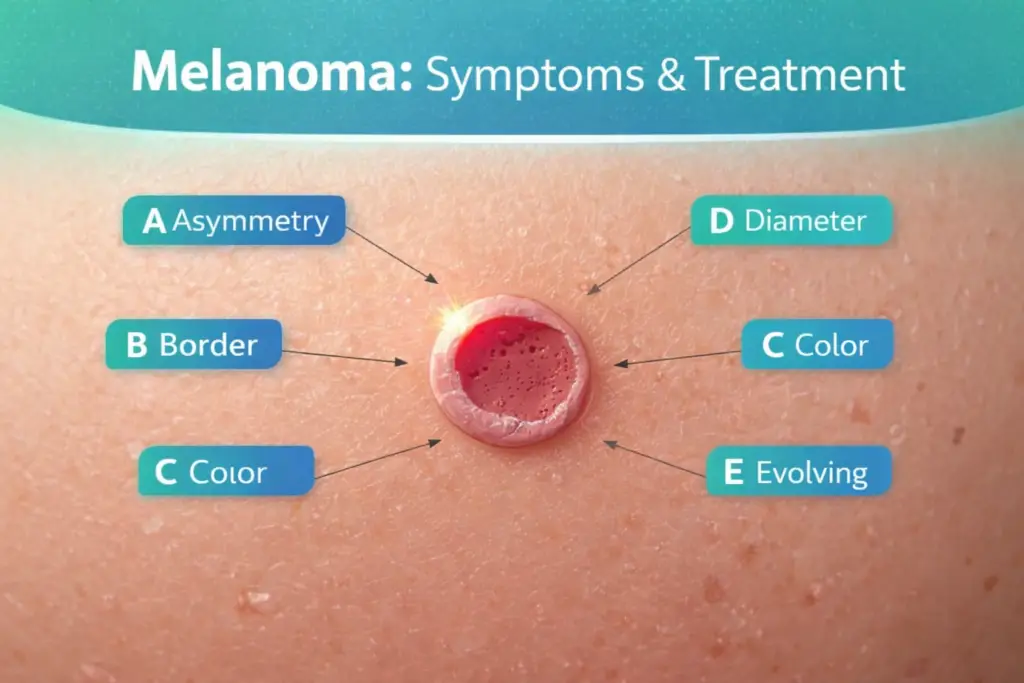
Dermatologists often recommend using the ABCDE rule:
- A – Asymmetry: One half of a mole looks different from the other.
- B – Border: The edges are irregular, blurred, or poorly defined.
- C – Color: The spot contains uneven or changing colors.
- D – Diameter: A spot is larger than approximately 6 mm, although melanomas can be smaller.
- E – Evolving: A mole or skin lesion changes in size, shape, color, or appearance.
Any new, changing, bleeding, or unusual skin lesion should be assessed by a qualified healthcare professional.
What Chemicals Are Found in Tattoo Ink?
Tattoo inks contain pigments and other ingredients used to create different colors and maintain their consistency.
Depending on the formulation and manufacturing process, some inks may contain:
- Metals or metal-containing compounds
- Polycyclic aromatic hydrocarbons (PAHs)
- Primary aromatic amines
- Other chemical impurities or contaminants
Some substances identified in tattoo inks are classified as carcinogenic, probably carcinogenic, or possibly carcinogenic under particular exposure conditions.
However, the presence of such a substance does not automatically establish that a tattoo containing it will cause cancer.
The actual health risk depends on factors such as the chemical, concentration, exposure route, and duration.
According to IARC, neither tattooing as a practice nor specific tattoo inks have yet been evaluated as carcinogenic by its Monographs programme.
Scientists continue to investigate the long-term effects of ink particles in human tissues.
What Are the Proven Health Risks of Tattoos?
Although the cancer question remains unresolved, tattooing has several recognized health risks.
1. Skin infections
Tattooing breaks the skin barrier, creating an opportunity for bacteria and other microorganisms to enter.
Infections may result from contaminated ink, unsterile equipment, or improper aftercare.
2. Allergic reactions
Some people develop allergic reactions to tattoo pigments.
Symptoms may include itching, swelling, redness, or persistent skin irritation.
Reactions can occasionally appear months or years after the tattoo was applied.
3. Inflammatory skin reactions
Tattoo pigments can trigger inflammation or granulomas, which are small collections of inflammatory cells.
Some reactions may persist and require dermatological treatment.
4. Bloodborne infections
Unsafe tattooing practices involving contaminated needles or equipment can transmit infections such as hepatitis B and hepatitis C.
Choosing a studio that follows appropriate infection-control practices is essential.
Are Tattoos Safe During Cancer Treatment?
People receiving cancer treatment should be particularly cautious about getting new tattoos.
Treatments such as chemotherapy can affect the immune system, blood cell counts, and the body’s ability to heal wounds.
Potential concerns include:
- Increased susceptibility to infection
- Bleeding or bruising when platelet counts are low
- Delayed wound healing
- Skin irritation or complications in treated areas
Tattooing over recently operated or irradiated skin may create additional risks.
People who have undergone lymph node removal or who have lymphedema should also discuss tattoo placement with their medical team.
Can cancer survivors get tattoos?
Some cancer survivors may be able to get tattoos after completing treatment and recovering adequately.
However, there is no universal waiting period that is appropriate for everyone.
The decision depends on factors such as immune function, blood counts, healing, previous surgery, radiation exposure, and overall health.
Anyone undergoing or recovering from cancer treatment should consult their oncology team before getting a tattoo.
How to Reduce Tattoo-Related Health Risks
If you are considering a tattoo, several precautions can help reduce recognized complications.
Choose a professional tattoo studio
Select a studio that follows applicable local regulations and appropriate hygiene procedures.
Ensure that needles are sterile and single-use and that equipment is properly cleaned.
Ask about tattoo ink safety
Choose a professional who uses appropriately labeled products from reputable suppliers.
Avoid products with uncertain origins or evidence of contamination.
Avoid tattooing over existing moles
Keeping moles visible makes it easier to identify changes that may require medical attention.
Protect tattooed skin from sunlight
Once the tattoo has healed, use sun-protective clothing and broad-spectrum sunscreen with SPF 30 or higher.
Excessive ultraviolet exposure is a well-established risk factor for skin cancer.
Follow proper aftercare
Keep the area clean and follow professional aftercare instructions.
Seek medical attention if you develop spreading redness, increasing pain, pus, fever, or other signs of infection.
Monitor your skin regularly
Check tattooed and untattooed skin for unusual changes.
Consult a dermatologist if you notice a new or changing mole, persistent sore, unexplained growth, or unusual pigmentation.
Should You Be Worried If You Already Have Tattoos?
For people who already have tattoos, the available research does not justify assuming they will develop cancer.
The most important steps are to maintain good skin health, protect against excessive UV exposure, and seek medical assessment for suspicious skin changes.
There is currently no evidence that removing an otherwise uncomplicated tattoo prevents cancer.
Routine cancer screening should follow established medical recommendations based on individual risk factors rather than tattoo status alone.
If you have persistent swelling, unusual skin changes, or other unexplained symptoms, speak with a healthcare professional.
Frequently Asked Questions
1. Can tattoos cause cancer?
Scientists have not established that tattoos cause cancer. Some observational studies have reported possible associations with lymphoma and skin cancer, but the overall evidence remains inconclusive.
2. Do tattoos increase lymphoma risk?
Some studies suggest a possible association, but the 2026 meta-analysis found no statistically significant overall association with blood and lymphatic cancers in its primary analysis. More research is needed.
3. Can black tattoo ink cause melanoma?
There is no conclusive evidence that black tattoo ink causes melanoma. However, dark pigments can make changes in moles or suspicious skin lesions more difficult to identify.
4. Are large tattoos more dangerous than small tattoos?
Some studies have reported stronger associations among people with larger tattoos, but researchers have not established a reliable relationship between tattoo size and cancer risk.
5. Can tattoo ink travel to lymph nodes?
Yes. Scientific research has shown that tattoo pigment particles can move from the skin into nearby lymph nodes. The long-term health consequences of this process are still being investigated.
6. Are tattoos safe for people with cancer?
Tattooing during cancer treatment may carry additional risks, particularly when immunity, blood counts, or wound healing are affected. Patients should obtain advice from their oncology team before getting a tattoo.
7. Should I remove my tattoo to prevent cancer?
There is no established evidence that tattoo removal reduces cancer risk. Removal procedures also have potential complications and should be discussed with a qualified dermatologist.
Conclusion: What Should You Know About Tattoos and Cancer?
Scientific interest in the relationship between tattoos and cancer is increasing.
Research has shown that tattoo pigments can travel to lymph nodes and that some inks may contain potentially harmful substances. Certain observational studies have reported possible associations with lymphoma and skin cancer.
However, the evidence remains inconsistent.
A 2026 systematic review involving more than 140,000 participants found no statistically significant overall association with skin cancer or blood and lymphatic cancers in its primary analyses.
The key takeaway is that tattoos have not been proven to cause cancer, but their long-term health effects are still being studied.
People considering tattoos should focus on established safety measures, including hygienic tattooing practices, appropriate aftercare, sun protection, and regular attention to changes in their skin.
For individuals undergoing cancer treatment, medical guidance is particularly important.
Medical References
- Nielsen C, et al. (2024). Tattoos as a risk factor for malignant lymphoma: a population-based case–control study. eClinicalMedicine. Read study.
- Clemmensen SB, et al. (2025). Tattoo ink exposure is associated with lymphoma and skin cancers – a Danish study of twins. PubMed.
- Is tattooing associated with an increased risk of cancer? A systematic review and meta-analysis. (2026). Clinical and Translational Oncology. Read study.
- International Agency for Research on Cancer (IARC). Tattooing: Frequently Asked Questions. IARC Tattoo Research.
- OncoDaily. (2026). Tattoos and Cancer: Is There a Link to Skin Cancer and Lymphoma? Read original article.
Medical disclaimer: This article is intended for educational and informational purposes only. It does not replace professional medical advice, diagnosis, or treatment. Consult a qualified healthcare professional regarding suspicious skin changes, cancer-related concerns, or tattooing during medical treatment.
Editorial review date: October 25, 2026
Medical reviewer: To be added following review by a qualified healthcare professional.